Data Shape Flow: DTO → Command → Param → Entity
This page documents how request data flows through the architecture while keeping type ownership local and dependencies pointed inward.
We want:
- No shared type dumping grounds (as much as possible) (e.g.,
types.ts,constants.ts,common/) - Type ownership near the consumer
- Lower-level components depending on their local types (not global ones)
- Each layer insulated from the naming + churn of its neighbors
In TypeScript, structural typing (“duck typing”) makes this viable: different named types with the same shape can be passed through safely without creating hard coupling.
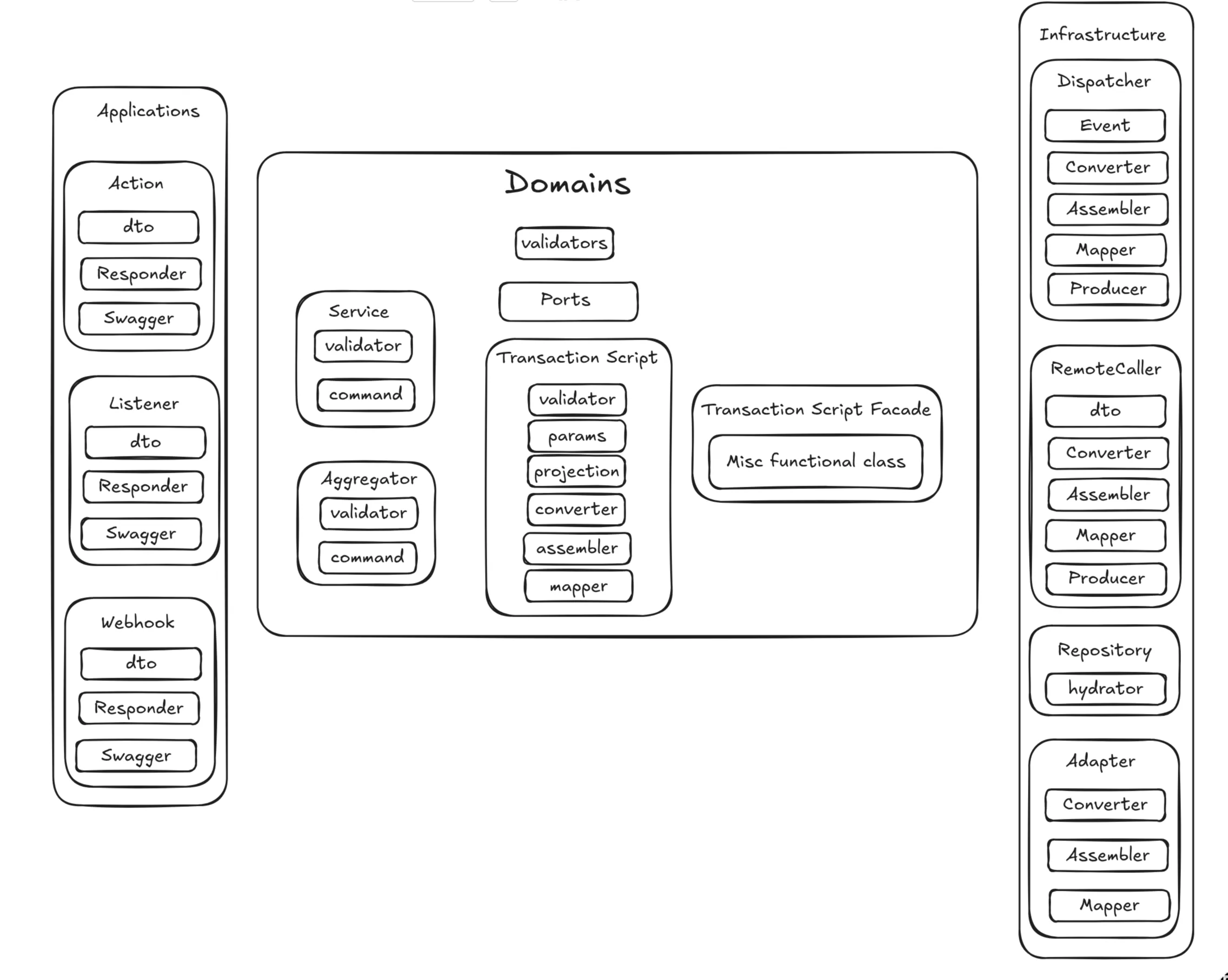
Figure: Stratified domain patterns with enforced dependency direction.
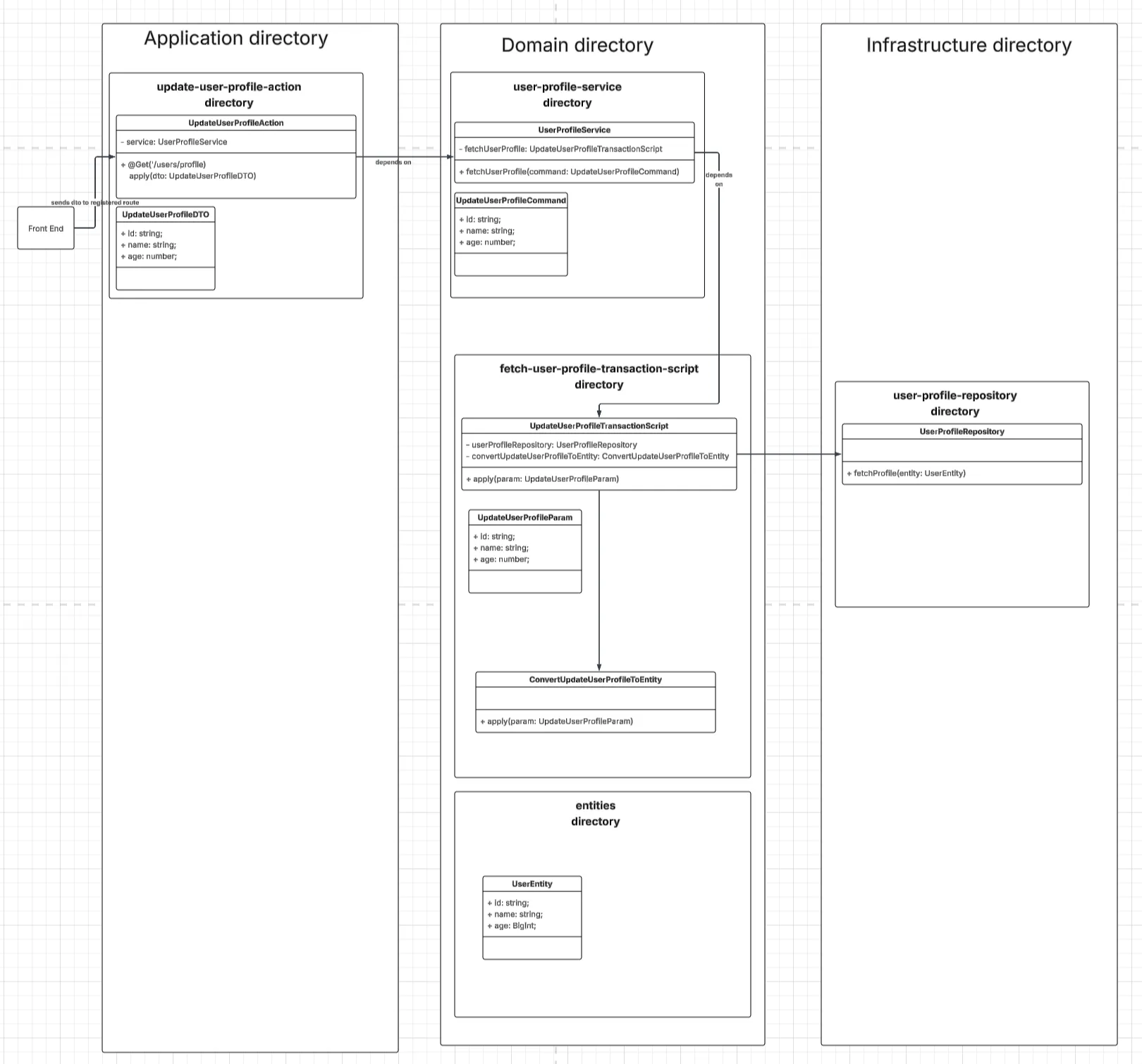
Diagram 1 (layered directories + dependencies)
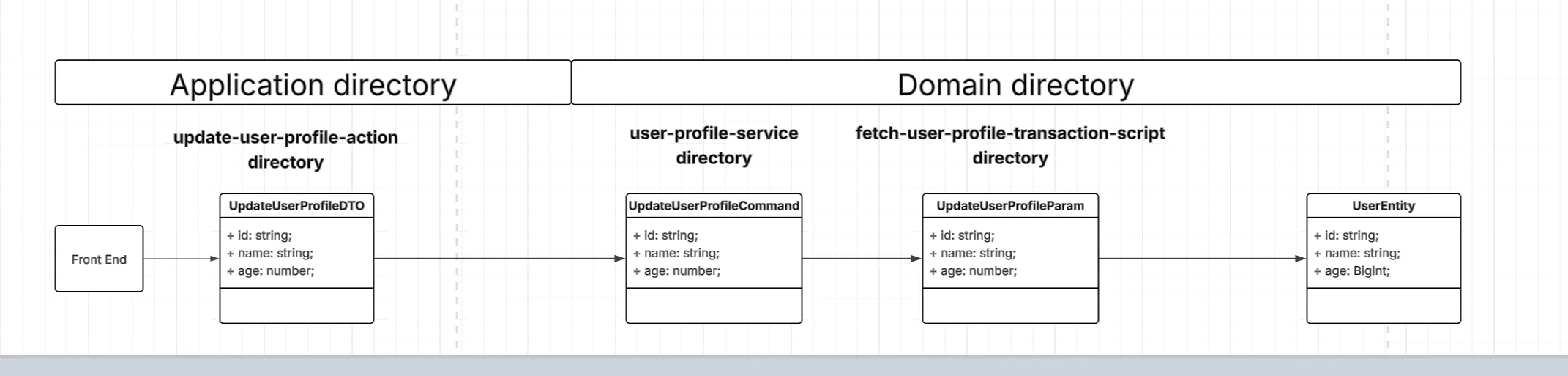
Diagram 2 (type-shape flow DTO → Command → Param → Entity)
The flow
Section titled “The flow”1) Application DTO (owned by the Action)
Section titled “1) Application DTO (owned by the Action)”Front-end sends a DTO shaped for API validation and docs.
- Lives next to the Action that consumes it
- Used for request validation, swagger, transport concerns
- Not referenced by the domain layer
- Used for responses
Location
application/controllers/actions/{action}/...dto.ts
2) Domain Service Command (owned by the Service)
Section titled “2) Domain Service Command (owned by the Service)”The Action calls the domain service, but the service does not depend on the DTO.
Instead, the service defines a Command type (same shape as the DTO, usually) and consumes that.
This keeps the domain service free of transport coupling and allows the service to evolve without dragging the action layer with it.
Location
domain/services/{service}/...command.ts(or colocated inside the service directory)
3) Transaction Script Param (owned by the Transaction Script)
Section titled “3) Transaction Script Param (owned by the Transaction Script)”When the service delegates to a Transaction Script, the Transaction Script does not depend on the Command or DTO.
Instead, the Transaction Script defines a Param type that it owns and depends on.
This is a key rule:
The Transaction Script owns its input type.
If the service needs to slightly transform data before delegation, it can do so while still matching the Param shape.
Location
domain/transaction-scripts/{ts}/...param.ts
4) Lower patterns depend on the Param (not on DTO/Command)
Section titled “4) Lower patterns depend on the Param (not on DTO/Command)”Anything inside the Transaction Script folder (converter, mapper, assembler, projection types, etc.) should depend on the Transaction Script’s Param, if they need a shared type at all.
They should not depend on:
- DTOs (application layer)
- Commands (service layer)
This prevents a situation where every low-level component imports one shared global type, which quickly becomes a coupling hotspot.
Rule of thumb
- “If it lives under a Transaction Script, it speaks Param.”
5) Entity (owned by the Domain)
Section titled “5) Entity (owned by the Domain)”Entities represent the domain model and persistence mapping.
They do not depend on DTOs/Commands/Params.
The conversion into entities happens via converters/assemblers/mappers that live next to the Transaction Script, not in a global utility layer.
Why this works
Section titled “Why this works”This approach:
- stops “shared-types.ts” from becoming a junk drawer
- localizes change (types change where the behavior changes)
- reduces cross-layer import churn
- makes ownership obvious
- keeps domain code from drifting toward transport concerns
Tradeoffs
Section titled “Tradeoffs”- You will have multiple types with identical shapes (DTO, Command, Param)
- That’s intentional — duplication here is a boundary, not waste
- When shapes truly diverge (validation vs business rules), the divergence becomes explicit instead of hidden
Summary rules
Section titled “Summary rules”- DTOs live in the Action directory and stay in the application layer.
- Services accept Commands that they own (not DTOs).
- Transaction Scripts accept Params that they own (not Commands/DTOs).
- Converters/Assemblers/Mappers inside a Transaction Script folder should depend on Params (if anything).
- Avoid global dumping grounds; colocate types with the behavior they serve.